-
Industrial Excursion to Storck: From Family Tradition to Global Confectionery Leader
12. Dezember 2025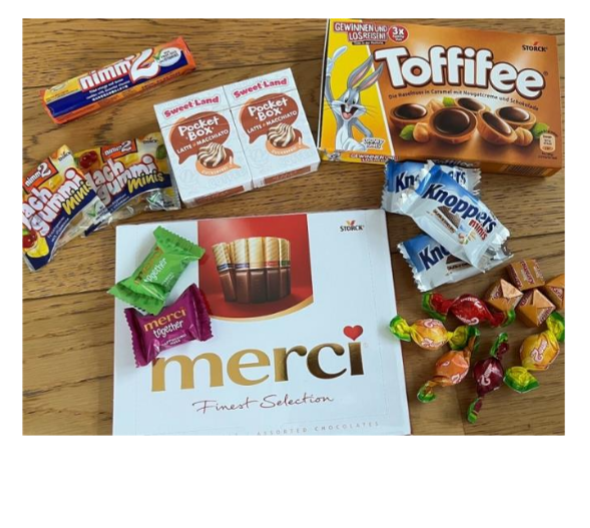
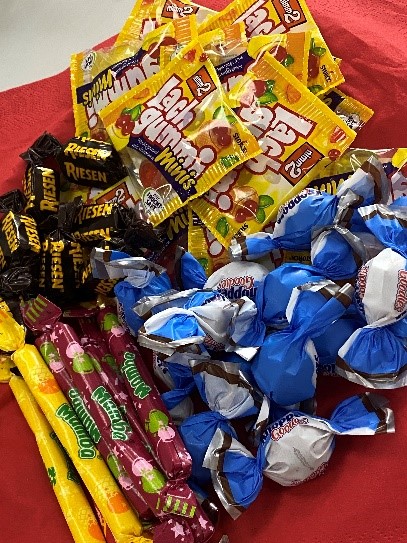
Storck is one of the global leaders in the confectionery market, with a history spanning more than 100 years. As part of the DAAD-funded PACK IT mobility program, a study visit was organized to introduce students to the company’s production environment and its role within the global confectionery industry. Storck is widely known for iconic brands such as Mamba, Merci, Toffifee, Nimm2, Werther’s Original, Knoppers, and Ice Fresh.
The company places strong emphasis on product quality, continuous innovation in confectionery technologies, and responsible business practices that support customer satisfaction and sustainable growth. The visit provided valuable insight into modern confectionery production processes and highlighted how tradition, technological advancement, and effective management are combined within a globally operating company.
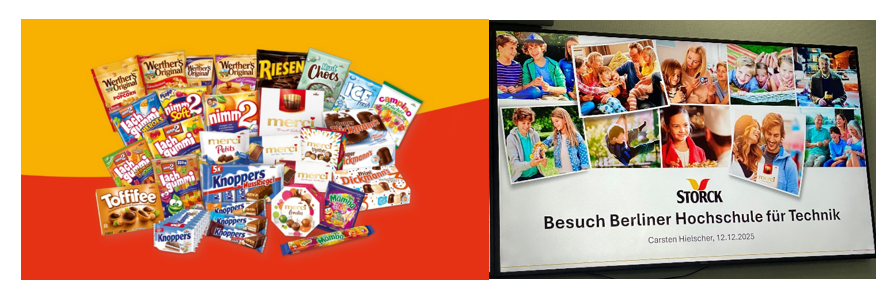
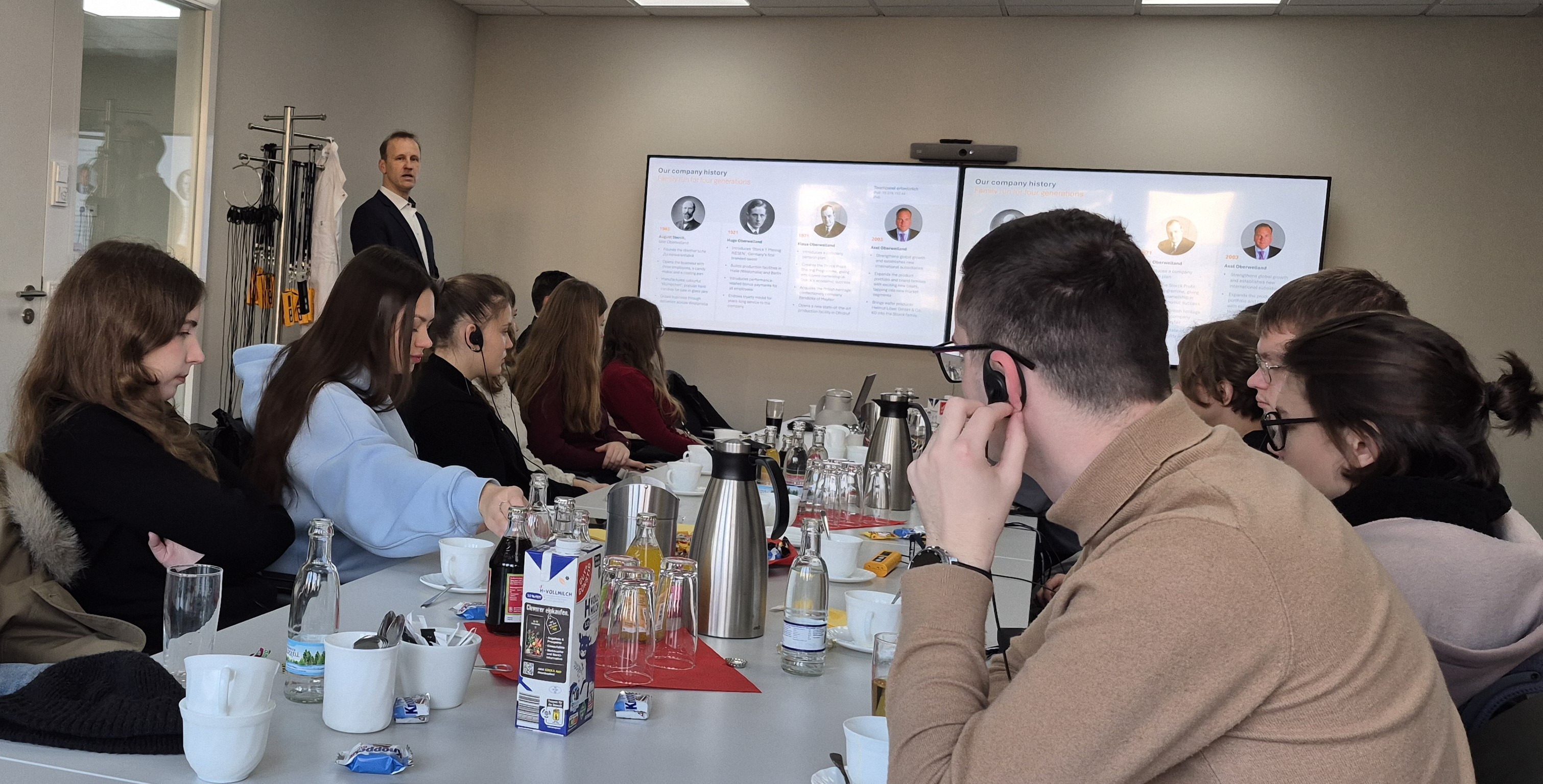
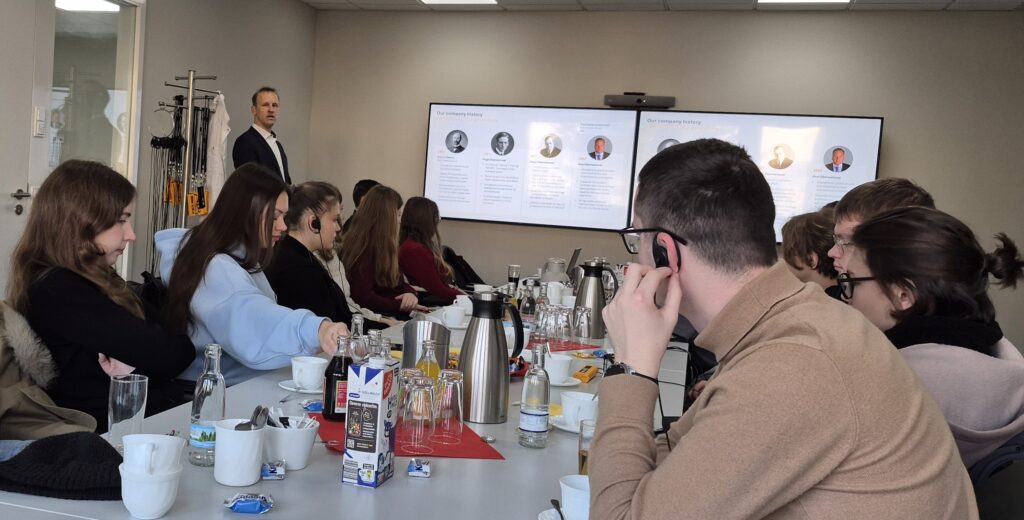
The visit began with an engaging introductory presentation covering Storck, its history, mission, and core values. Founded in Germany in 1903, the company has developed into a multinational enterprise with a presence in more than 100 countries worldwide. Storck is widely recognized not only for its well-known confectionery products but also for its consistent focus on research and development, ensuring that every product meets high standards of taste, texture, and food safety.
During the presentation, particular attention was given to the careful selection of raw materials, including high-quality sugar, cocoa, and natural flavorings. The company’s approach to innovation was highlighted through examples such as sugar-reduced confectionery products, new flavor combinations, and the ongoing development of environmentally friendly and resource-efficient packaging solutions. These efforts demonstrate how Storck combines long-standing tradition with modern technological and sustainability-oriented strategies in the global confectionery industry.
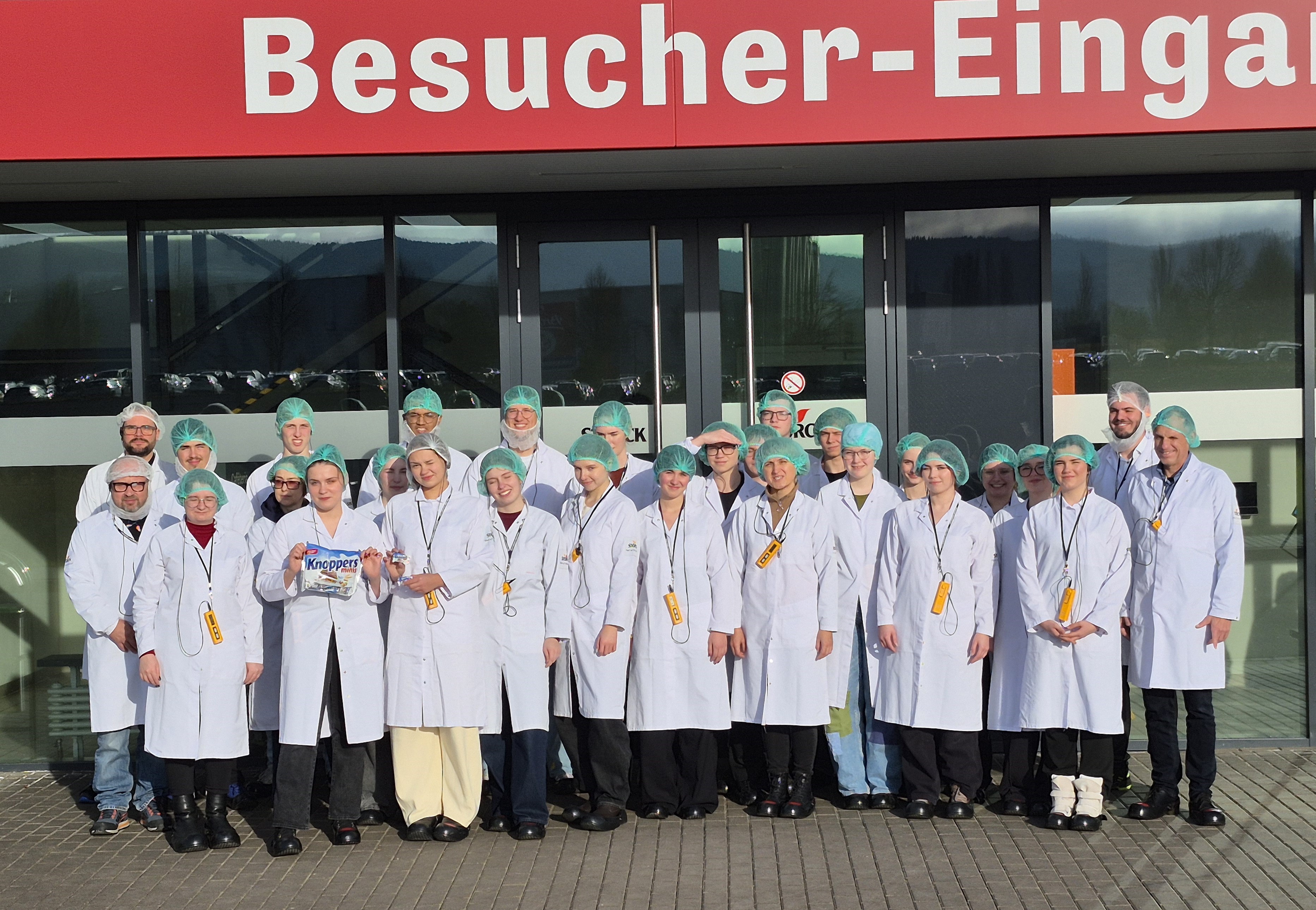
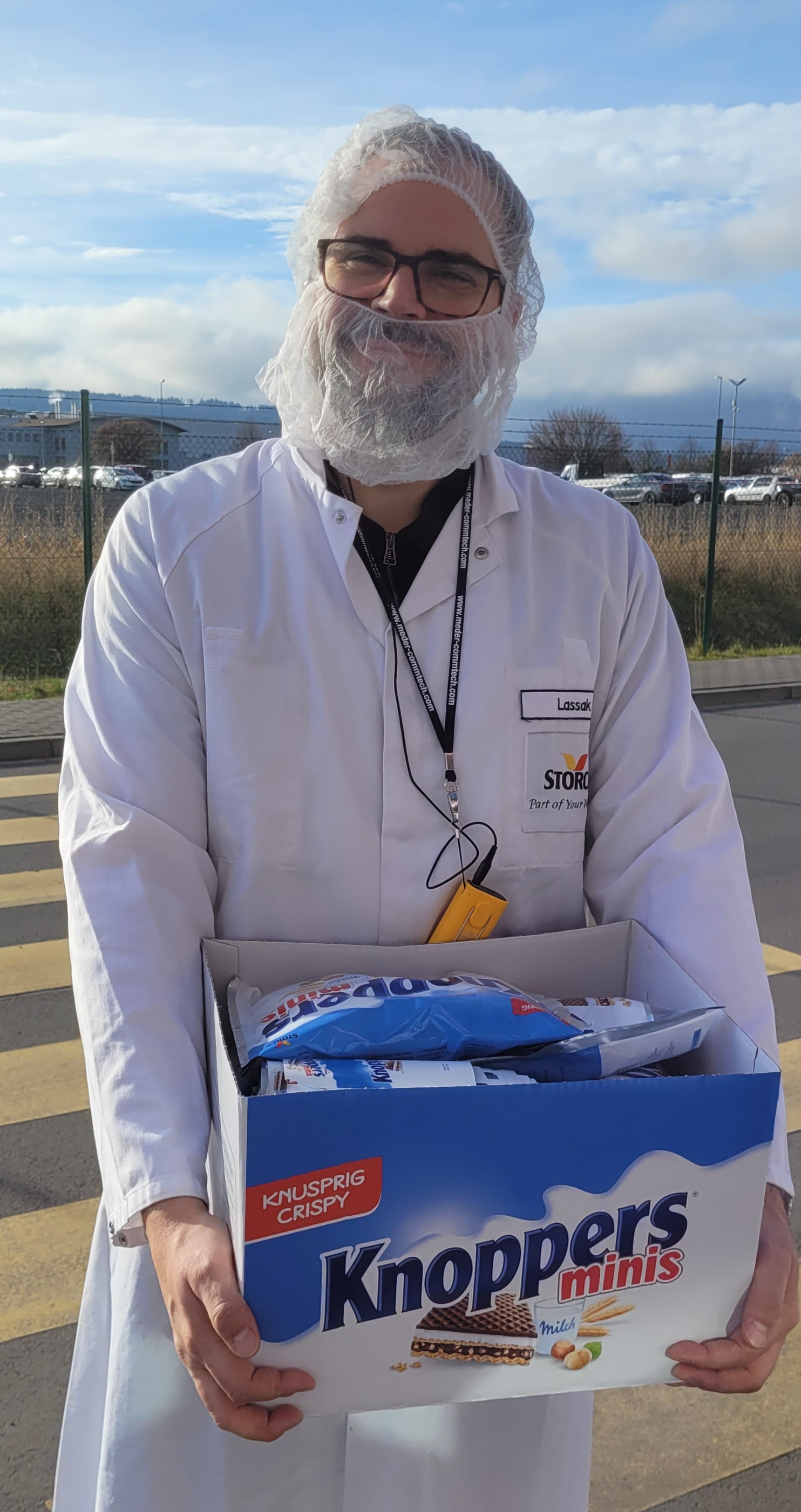
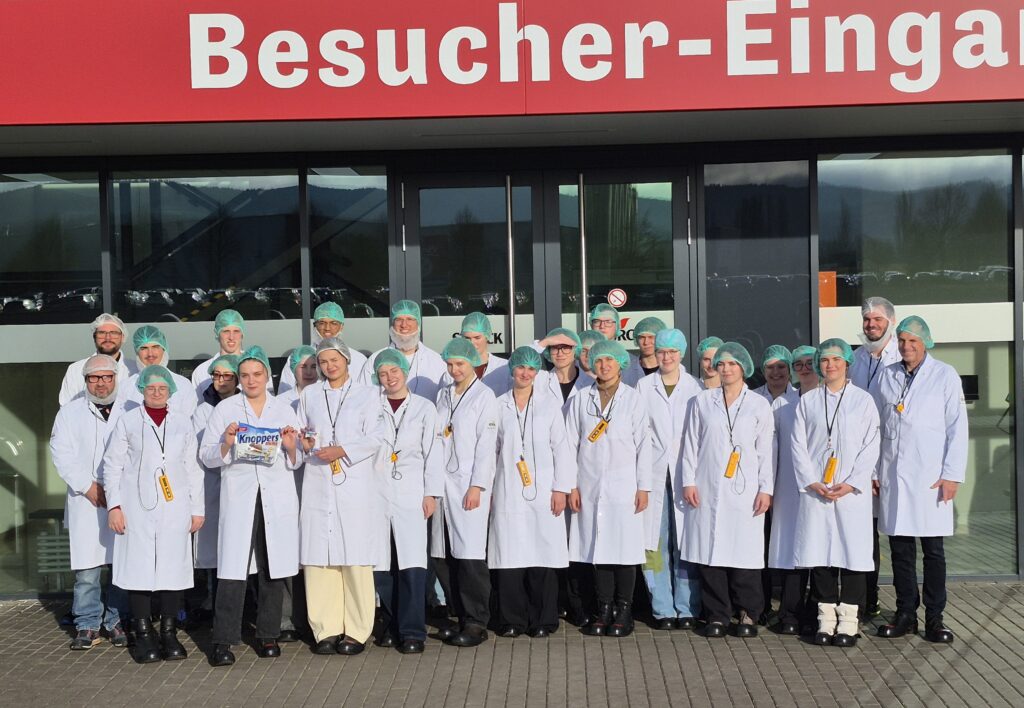
The most engaging part of the visit was the tour of Storck’s production facilities, where modern confectionery manufacturing could be observed in real time. Particular attention was given to the complete production process of Knoppers. The tour demonstrated how crispy wafer layers are prepared, followed by the precise addition of milk and caramel fillings, and completed with a uniform chocolate coating. Each production stage is continuously monitored using advanced machinery and control systems to ensure consistent quality, texture, and taste.
In addition to production, the packaging processes played an important role during the visit. The packaging line for Merci chocolates illustrated how finished products are individually wrapped and carefully arranged in branded boxes. Highly automated systems control positioning, sequencing, and visual quality, ensuring both product protection and an attractive final appearance. This part of the visit clearly highlighted the close interaction between product design, packaging technology, and brand presentation in the confectionery industry.
Particular emphasis during the visit was placed on Storck’s comprehensive approach to quality assurance. Each production batch undergoes rigorous testing to evaluate taste, texture, and visual appearance. Automated monitoring systems continuously control critical parameters such as temperature, mixing duration, and coating thickness, while trained specialists regularly conduct sensory evaluations. In addition, strict hygiene protocols and safety standards are applied throughout all production stages to ensure full compliance with international food safety regulations.

Sustainability represents another key pillar of Storck’s operational strategy. The company consistently implements measures to reduce energy consumption, minimize production waste, and increase the use of recyclable and resource-efficient packaging materials. These initiatives demonstrate how confectionery production can successfully integrate long-standing tradition with innovation and environmental responsibility.
Overall, the visit provided valuable insight into the complexity of modern confectionery manufacturing—from raw material selection and recipe development to high-tech production processes and advanced quality control systems. It clearly illustrated the importance of combining creativity, technological expertise, and sustainability in the development of products that are recognized and appreciated worldwide. The experience contributed to a deeper understanding of the confectionery industry and highlighted future opportunities for innovation within food production and packaging.